
Home – 10 Small Business Branding Tips to Elevate Your Founder Presence
Discover 10 small business branding tips to boost your founder presence, refine your visuals, and position your brand for lasting growth in 2026.
Let’s be real for a second: staring at a blank Instagram grid or a half-finished website can feel like trying to solve a Rubik’s cube in the dark. You know your business is brilliant, but translating that “inner spark” into a visual identity that actually converts? That’s where the overwhelm sets in.
Building a brand isn’t just about picking a pretty font and calling it a day. It’s about creating a magnetic founder presence that makes your audience lean in and say, “I need whatever she’s having.” As we look toward the landscape of 2026 and 2027, the “vibe shift” is real: authenticity is the currency, and strategy is the vault.
If you’re ready to stop playing small and start showing up as the visionary CEO you are, these small business branding tips will give your brand the professional glow-up it deserves.
Stop trying to be everywhere at once. You don’t need to be a TikTok star, a LinkedIn philosopher, and a Pinterest pro all in the same afternoon. Spreading yourself thin is a recipe for burnout, not brand growth.
Instead, choose two platforms where your ideal clients actually hang out and master them. Whether it’s high-authority guest posting or niche podcasting, focus on quality over quantity. When you narrow your focus, your expertise shines brighter because you aren’t shouting into the void of every available channel. For a practical outside perspective, Inc. shares smart guidance on building a brand, too—see How to Build an Exceptional Small-Business Brand (Inc.).
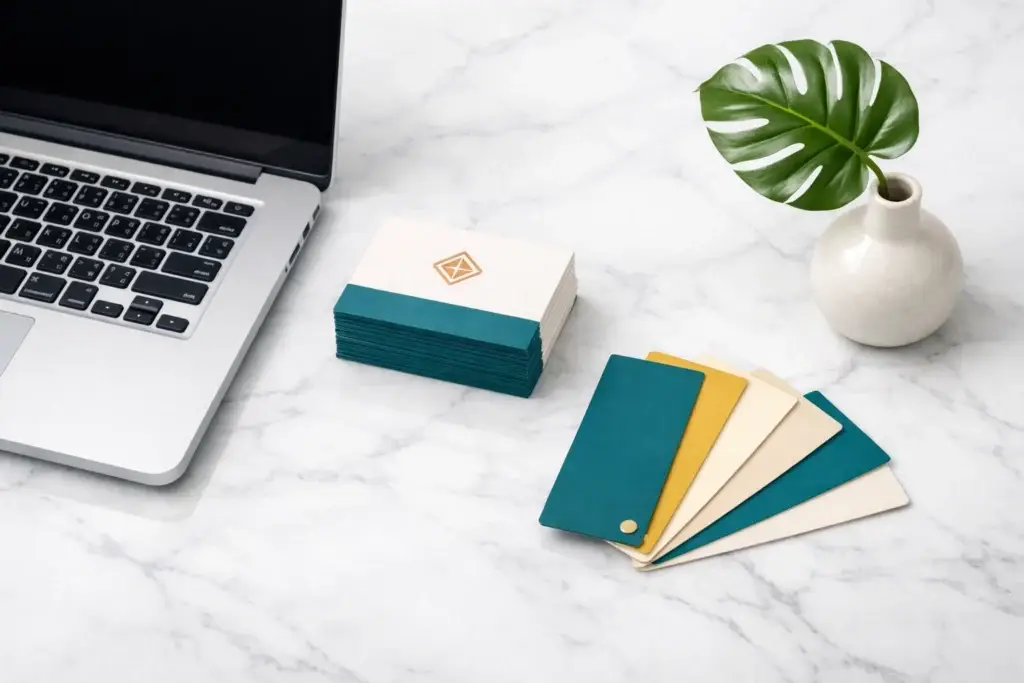
Your visual identity is the first handshake your business gives. If your logo looks like a DIY project from 2012, you’re signaling to your clients that you might be stuck in the past. Consistency creates credibility.
Draft a cohesive visual palette: colors, fonts, and imagery: that reflects your brand’s personality. Think of it as your brand’s wardrobe; it should feel intentional, polished, and ready for the main stage. If you want an official reference point for visual consistency, the SBA’s own brand guide is a surprisingly helpful look at how a major org keeps design tight. If you’re feeling lost, our services are designed to help you find that perfect aesthetic flow.
While “personal branding” is a buzzword we can’t escape, the most successful founders focus on thought leadership rather than just lifestyle. You want people to follow you because your frameworks and insights solve their problems, not just because you have a cute home office.
Structure your content around concepts and frameworks. This shifts the focus from “look at me” to “look at what I can do for you.” By positioning yourself as an intellectual authority, you attract higher-quality leads and potential investors who value substance over style.
Does your LinkedIn profile feel like it belongs to a different person than the one running your website? Inconsistency is a trust-killer. Your personal brand and your company brand should feel like two sides of the same coin.
Audit every digital touchpoint to ensure the tone, messaging, and visual vibes match. When your “founder persona” aligns perfectly with your business values, it creates a seamless connection that makes your brand feel professional and established.
Guessing is expensive; data is efficient. One of the most overlooked small business branding tips is simply listening to what your audience actually says. Don’t assume you know what they want: ask them.
Start a simple feedback loop to understand their pain points, their language, and their desires. Using their own words in your marketing copy is like a “magic trick” for conversion. It shows you truly understand their world, which builds an instant emotional bond.

Your website is your 24/7 digital storefront, so don’t treat it like a static brochure. A “glow-up” in 2026 means having a site that is fast, mobile-responsive, and deeply intuitive.
If your user flow feels clunky, people will leave before they even see your offer. Simplify the journey. If you need a roadmap, check out our guide on how to optimize your website for SEO to ensure you’re getting seen by the right people at the right time.
Your personal style is a visual shorthand for your brand’s energy. You don’t need a designer wardrobe, but you do need an authentic presence that makes you feel confident. When you feel “on-brand” physically, that energy translates into your videos, your meetings, and your stage presence.
Embrace a signature look that makes you feel powerful. Whether it’s a bold lip color, a specific color palette, or a minimalist aesthetic, let your personal style nurture the professional image you want to project to the world.
We love a good tech shortcut, but don’t let AI strip the humanity out of your brand. Use AI to brainstorm, draft, and organize, but ensure the final “spark” comes from you.
If you’re working with a design team, using 100 prompts for website designers can help bridge the gap between your vision and their execution. It’s about using technology to amplify your creativity, not replace it.

Trust isn’t built overnight; it’s built through a thousand tiny interactions. From the way you answer emails to the “About” page on your site, every detail matters. Professionalism is found in the nuances.
Check your brand “congruence”: does your pricing match your high-end visuals? Does your customer service reflect your “friendly” brand tone? When everything is in sync, your brand feels like a high-end experience rather than just another transaction.
One of the most tactical small business branding tips is to wait until you have clarity. Don’t drop $20k on a massive agency before you’ve even made your first ten sales. Your brand messaging will evolve as you grow.
Start with a solid foundation, focus on your core strategy, and scale your branding as your revenue scales. If you want extra small-business-friendly guidance, this Small Business Branding and Marketing resource in the SBA ecosystem is a great companion read. When you’re ready for that “visionary leap,” then you can look into full-service branding and digital design.

Ready to turn these tips into momentum? Here is your quick-start guide to elevating your presence:
How much should I spend on branding as a small business?
It’s less about the dollar amount and more about the stage of your business. In the beginning, focus on clarity and DIY consistency. Once you’re scaling, professional strategy becomes a necessary investment to separate yourself from the competition.
How do I know if my brand is “working”?
If you’re attracting the right clients, your conversion rates are increasing, and people are referring to you as an expert in your niche, your brand is doing its job.
Does my personal brand have to be my name?
Not necessarily! You can build a personal brand around your name or a “founder presence” tied to your company’s name. The goal is to ensure people connect with the human behind the logo.
What is the most important part of a brand?
Strategy. Without a clear “why” and a defined target audience, even the most beautiful logo is just a pretty picture. Strategy is the soul; design is the body.