Home – Beyond Keywords: How to Use Practical AI to Map Out Your Digital Brand Strategy
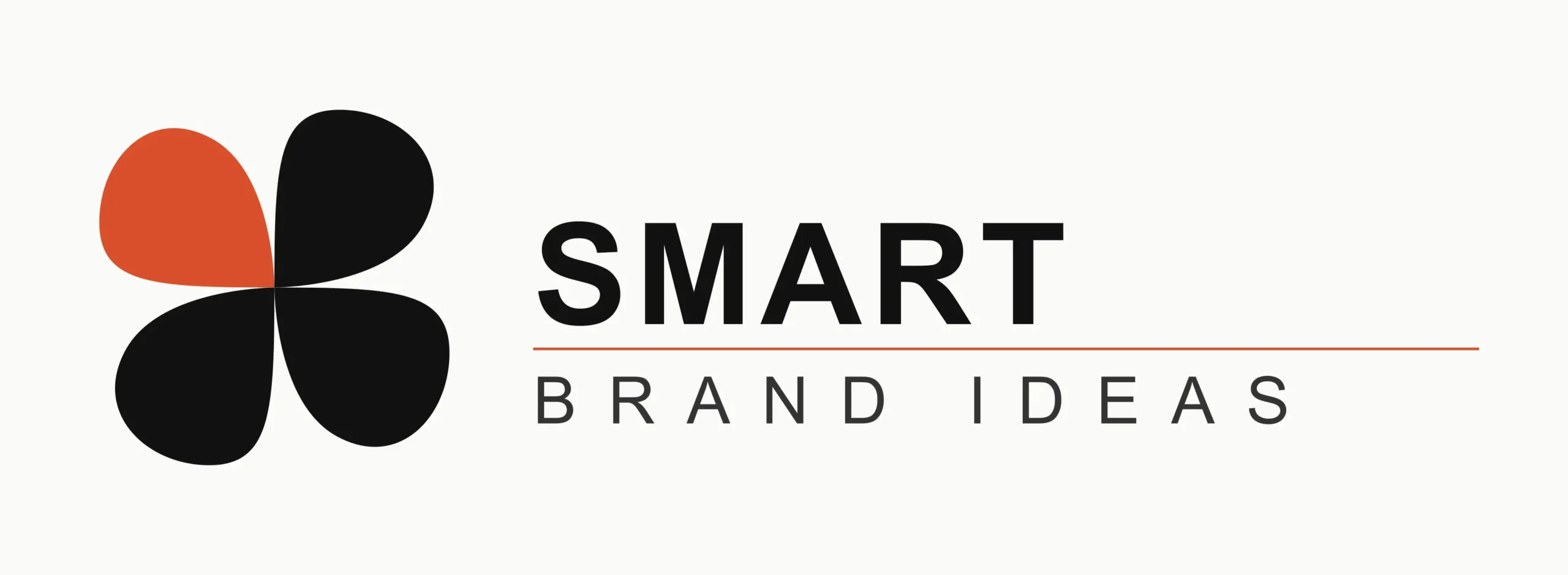
A founder’s workspace reflecting the core message of this post — that with the right AI tools and a clear digital brand strategy, you can map global connections, streamline your content system, and build a brand presence that scales.
You’ve heard it a thousand times: “Content is king.” But in 2026, content is everywhere, and if you’re just chasing keywords, you’re chasing a ghost.
The digital landscape has shifted from simple search engine optimization to a holistic digital brand strategy that requires depth, personality, and a bit of a “glow-up.” If you feel like you’re staring at a blank screen trying to figure out how to stand out, you’re not alone.
Guessing is expensive, but modern ai tools for branding offer a way to move beyond the search bar and into the hearts of your audience. Let’s look at how you can use practical AI to map out a strategy that feels like you, scales with you, and actually converts.
Most founders think AI is just for writing blog posts or finding long-tail keywords. While that’s a start, it’s only scratching the surface of what’s possible for your business.
A true digital brand strategy isn’t just about what people type into Google; it’s about how they feel when they land on your page. It’s about the “essence” of your business vibrating through every caption, email, and landing page.
By leveraging ai tools for branding, you can systematize your creativity. You can move from being a “one-off idea generator” to the architect of a fully integrated messaging ecosystem.
Before you even think about keywords, you need to know who you are in the digital space. Staring at a “blank frame” is the biggest hurdle for DIY-ers, but AI can serve as your strategic mirror.
Draft your brand positioning by feeding an AI tool your core values, your target audience’s struggles, and your unique solution. Don’t just ask for a summary; ask for archetypes. Is your brand the “Sage,” providing wisdom, or the “Explorer,” seeking new frontiers?
Optimize your vision by asking AI to generate three different strategic directions for your brand’s personality. Compare a “Premium & Minimalist” approach with a “Bold & Disruptive” one. This allows you to see the “spark” in a concept before you commit your entire marketing budget to it.
For a deeper dive into the basics, check out our guide on Digital Brand Strategy 101.
The biggest fear most founders have is that AI will make them sound like a robot in a suit. That only happens if you don’t calibrate it.
To create a consistent digital brand strategy, you must train your tools to mimic your unique “vibe.” This isn’t just about being friendly or professional; it’s about the rhythm of your sentences and the vocabulary you naturally use.
Build your style guide using this simple workflow:
When your AI understands your “essence,” you spend less time editing and more time growing. If you need a jumpstart on visual consistency to match that voice, explore our 50 graphic design prompts for modern founders.
Creating random posts is a recipe for burnout. To stay ahead in 2026, you need a content system that maps to the customer journey.
Align your topics with the “Awareness, Consideration, and Decision” phases. Use ai tools for branding to brainstorm subtopics for each phase. For example, if you’re a branding agency, your “Awareness” topics might be about the importance of visuals, while “Decision” topics focus on your specific methodology.
Simplify your production by creating reusable prompt chains. One prompt generates the core idea, the next maps it to a LinkedIn post, and the third turns it into a newsletter outline. This ensures your digital brand strategy remains cohesive across every single touchpoint.

How do you know if your strategy is actually working? You look at the data, but not just the clicks. You look at the sentiment.
Modern ai tools for branding can analyze customer reviews, social media comments, and competitor feedback to tell you what people actually care about. This is where you find the “gold” that keywords miss.
Nurture your community by identifying the specific language your customers use when they praise you. If they always mention your “calm approach,” that’s a signal to double down on “calm” in your messaging.
Refine your strategy every quarter. AI can process thousands of data points in seconds, showing you where the market is moving before your competitors even notice a trend. Remember: data is efficient, but your human judgment is the final filter.
Ready to give your brand the strategic “spark” it deserves? Follow this checklist to ensure you’re using AI effectively:
AI is an incredible engine, but you are the driver. It excels at generating options and accelerating your workflow, but it cannot replace your “why.”
Your vision is what creates a genuine “connection” with your audience. Use AI to do the heavy lifting: the research, the mapping, the drafting: so you can focus on the high-level decisions that actually move the needle.
Stop guessing and start building with intent. If you’re ready to transition from DIY-ing your identity to a professional, scalable system, let’s talk.
1. What are the best AI tools for branding in 2026?
While platforms change quickly, look for tools that offer “custom instructions” or “brand kits.” This allows you to store your brand voice and strategy so every output is pre-aligned.
2. Is using AI for brand strategy “cheating”?
Not at all. Think of it as a high-level research assistant. It helps you see patterns and possibilities you might have missed while you were busy running the day-to-day operations of your business.
3. How often should I update my digital brand strategy?
In a fast-moving market, a “light” audit every quarter is ideal. Use AI to scan for shifts in industry language or customer sentiment to ensure your messaging remains fresh and relevant.
4. Can AI help with my visual brand identity too?
Absolutely. You can use AI to generate mood boards, color palette suggestions, and even specific design prompts that you can then hand off to a professional designer to execute perfectly.
5. What is the biggest mistake founders make with AI?
The biggest mistake is “Prompt and Post.” Never publish AI-generated content or strategies without a human review. Your job is to add the “soul” and the final polish.
Don’t let the fear of technology hold your vision back. The future of branding belongs to those who combine the speed of AI with the heart of a founder. Are you ready to map out your next move?